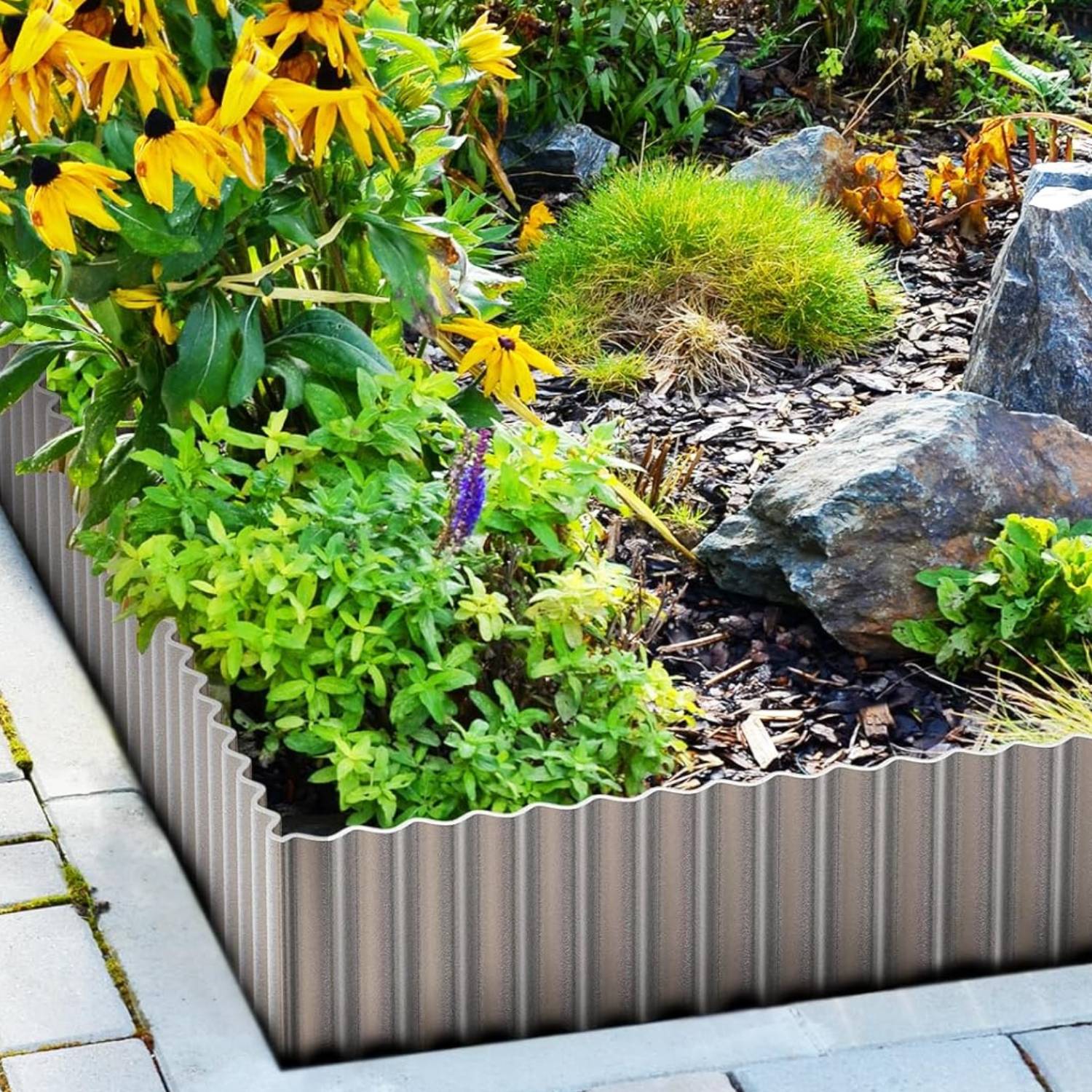
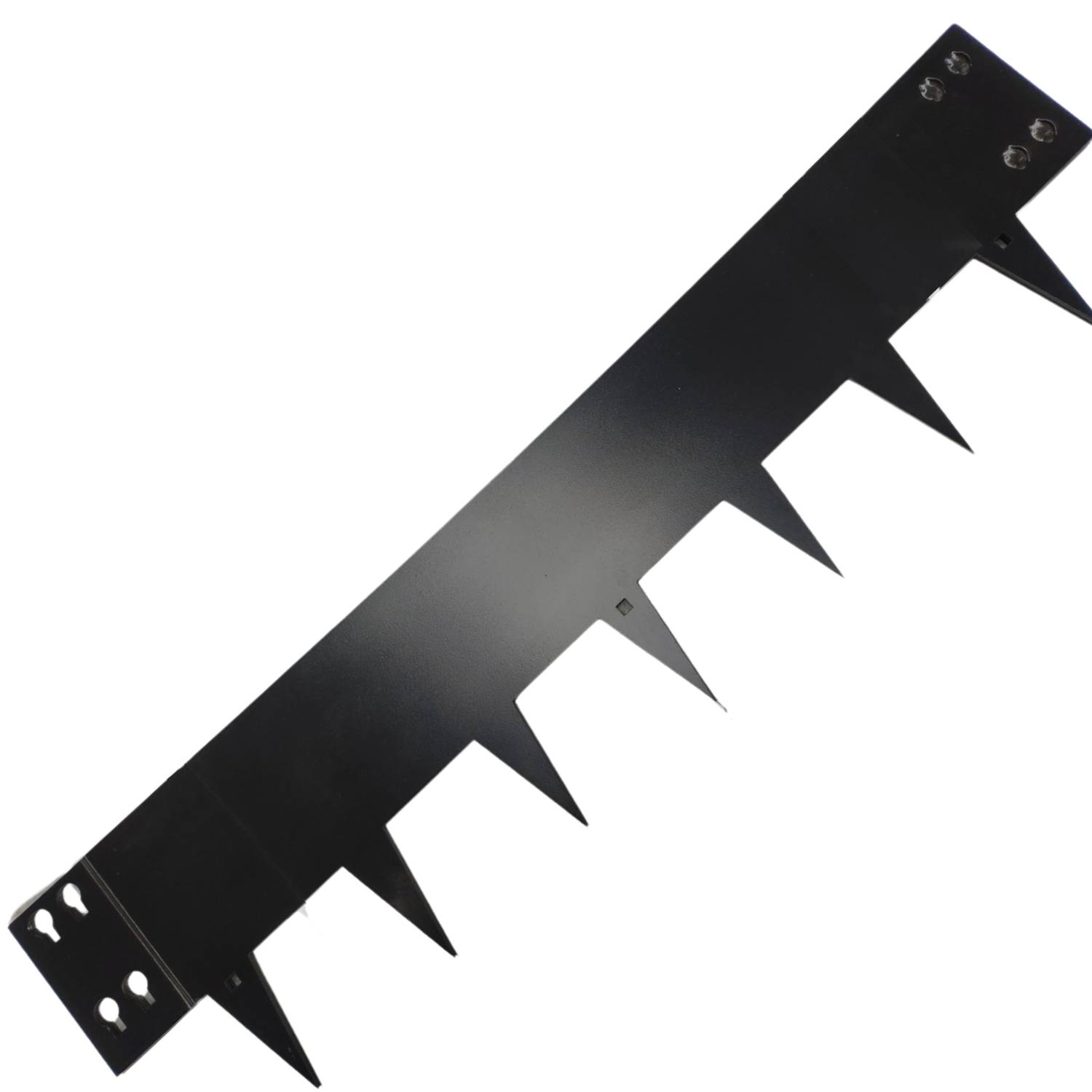
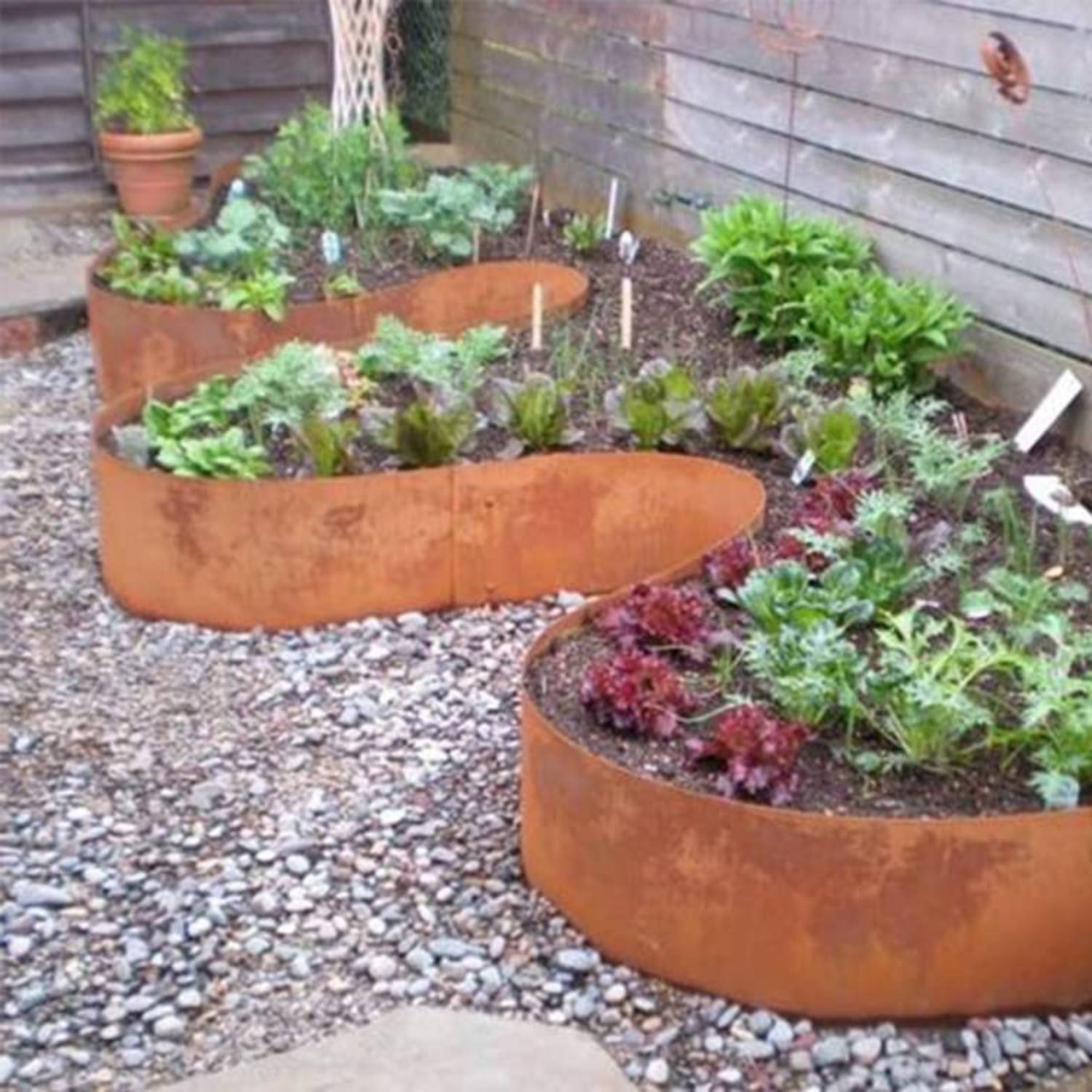
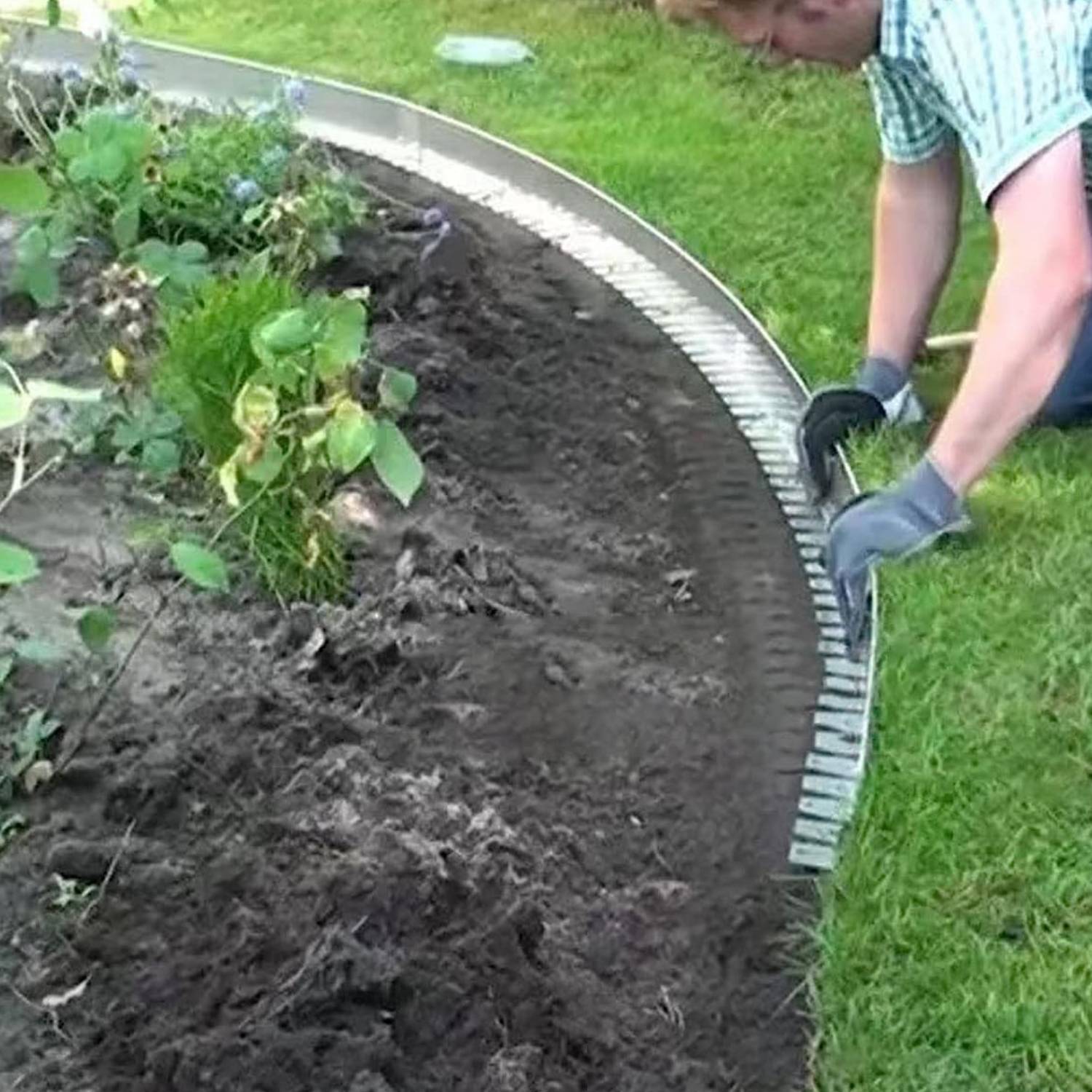
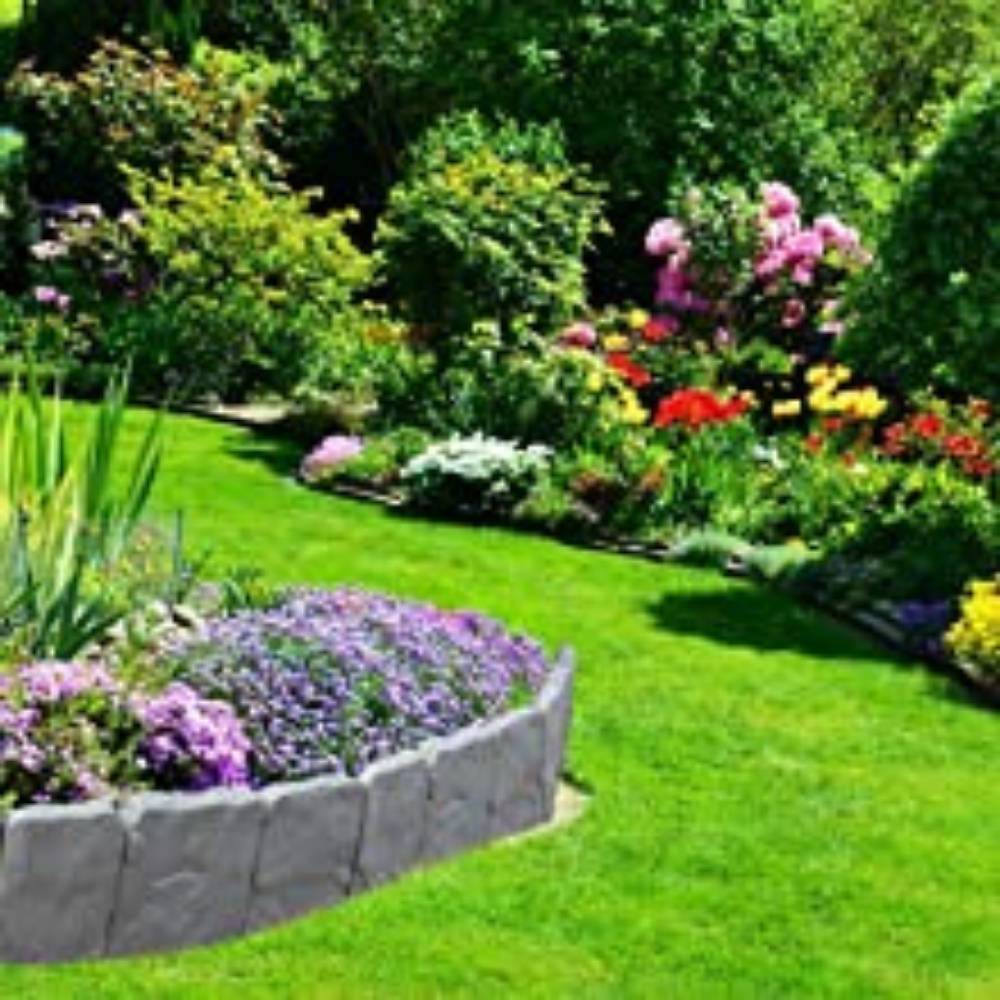
From durable metal borders that age beautifully to flexible plastic systems for curved installations, our landscaping edging solutions provide lasting separation between lawns and garden beds while dramatically reducing maintenance.
Whether you're defining flower beds, creating walkway borders, or establishing clean lawn perimeters, these high-quality materials deliver the crisp lines and structural integrity that make the difference between amateur and professional looking landscapes.
Welcome to our Landscape Edging category, where you'll find an extensive selection of high-quality products to enhance the beauty and functionality of your outdoor spaces. Whether you're a homeowner, landscaper, or designer, choosing the right landscape edging is essential for creating clean lines, defining borders, and organizing your garden or lawn. Our curated collection offers a range of materials, styles, and finishes, including plastic, metal, stone, and more, ensuring that you'll find the perfect solution to suit your landscaping needs. Explore our diverse assortment and discover the possibilities to transform your outdoor areas into stunning and well-defined landscapes.
The simplest landscape borders that effectively separate your lawn from a garden in rusted weathered steel, stainless steel or plastic.
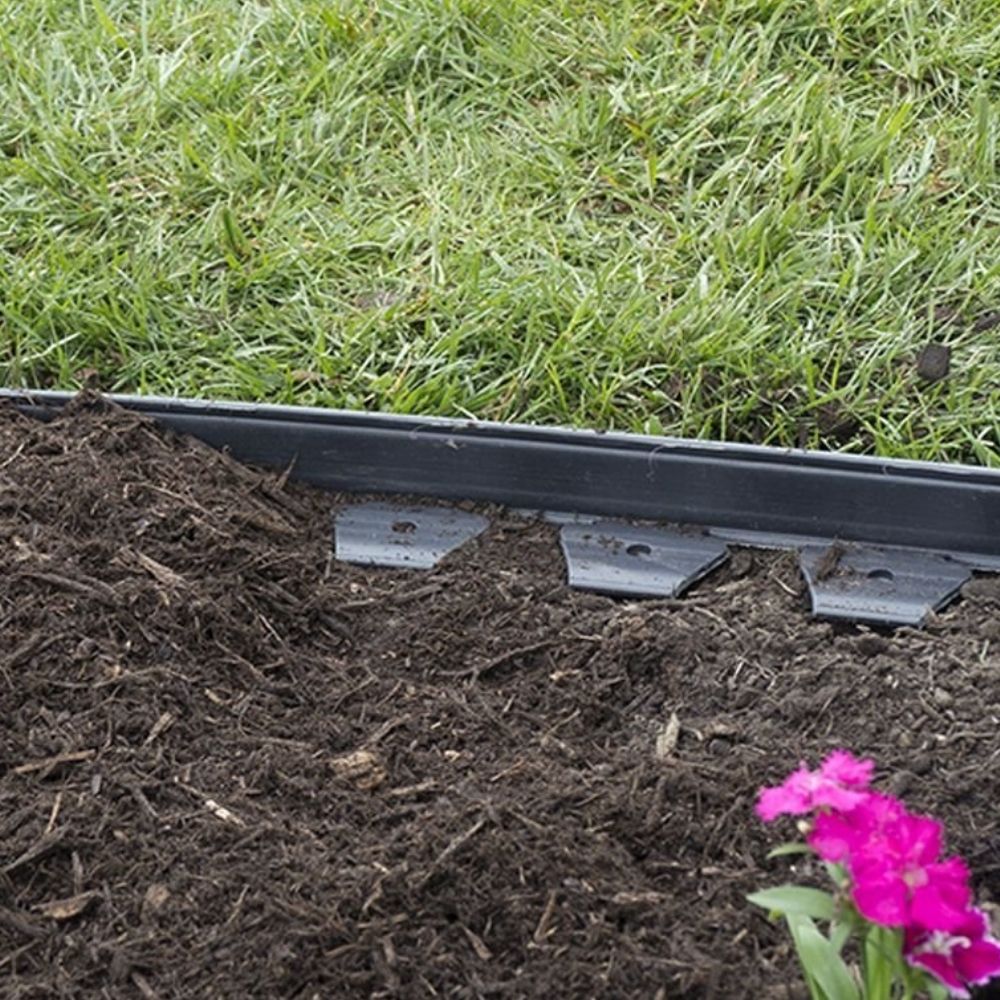
The weathered steel rusted metal lawn edging bends easily into smooth, graceful curves and stops the spread of grass roots. Whilst the stainless steel & black recycled plastic edging offer the sleekest, most refined garden edging look.
The simplest and most subtle landscape borders that effectively separate your lawn from a garden are 50 to 100mm deep strips of steel, aluminium or plastic.
The metal lawn edging bends easily into smooth, graceful curves and stops the spread of grass roots.
However, painted aluminium and steel offer the sleekest, most refined garden edging look because they almost disappear against the grass and garden bed.
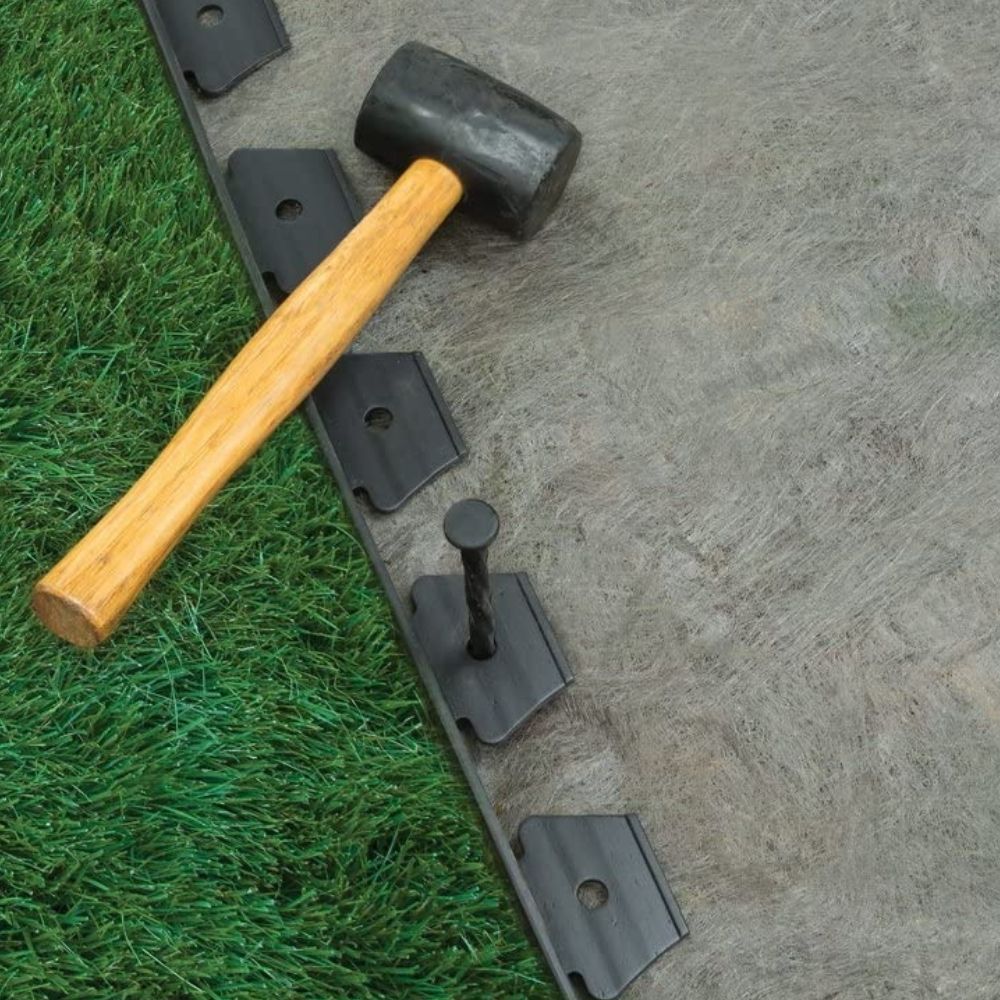
The plastic types of garden edging have a prominent black bulge along the top edge. All work best on fairly even terrain; if you have a lot of dips and rises, it’s easier to install a paver border.
Although aluminum and steel landscape edging cost about the same, we chose aluminum because it was much lighter. It weighs about 41 lbs. per 100 ft., while steel weighs about 225. With aluminum landscape edging, you get a professional look without the heavy lifting.
Plan to set the garden border with the top edge about 50mm above the soil level to maintain the lawn/garden separation and keep roots from crossing over the top. This makes the garden border almost invisible and allows you to mow right over the top. However, be aware that the top of the thin lawn edging can hurt bare feet. After cutting it, make sure you round off any sharp edges with a file.
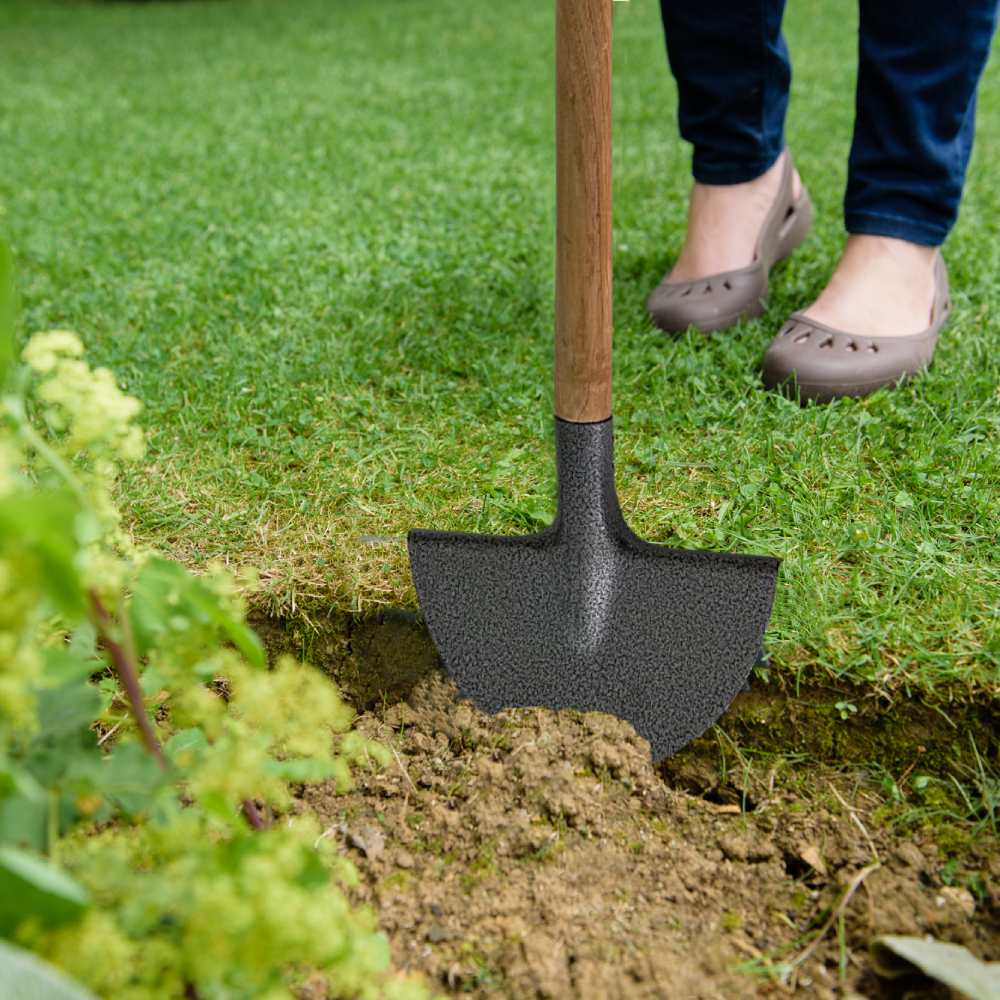
The key to setting this garden border is to cut a clean vertical edge along the grass with a square spade. Then you can lay the garden border tightly against the edge when you stake and backfill it. There’s no rule for shaping the edge. Simply follow the edges of your lawn, making smooth, gradual curves.To make smooth, sharp curves, bend the metal lawn edging around a circular form.
The thicker landscaping edgers better withstand those inevitable bumps and hard knocks that go with lawn mowing.
Buying Landscape Edging Online
Steel landscape edging is the most common metal garden edging, although you might not find it at local nurseries.
Look for it at larger garden centers or at landscape suppliers, which is where most pros get it. (Search “Landscape Equipment and Supplies” online.) Steel garden landscape edging comes in 1m long strips in. Keep in mind that it’ll eventually rust, especially in a salt environment. It’s heavy, floppy stuff and needs almost full support when you transport it.
Aluminum garden landscape edging, besides being lighter and stiffer, won’t rust and is also available in a wide variety of colors. Look for it through landscaping suppliers, although it might be difficult to find. You might have to order it. Be sure stakes are included with your purchase.
You’ll find black plastic landscaping edging at every garden center and home center, sometimes in both regular and heavy-duty thicknesses.
Buy the thicker landscaping edging material. The thicker landscaping edgers better withstands those inevitable bumps and hard knocks that go with lawn mowing.
Garden edging, landscape edging, and lawn edging are valuable tools for creating defined borders and enhancing the overall look of your garden or landscape. With various materials and styles available, you can choose the perfect edging solution to suit your design preferences and landscaping needs.
Best Lawn Edging: Your Complete Guide to Creating Perfect Garden Borders
Have you ever walked through an upscale neighborhood and wondered what makes some landscapes look effortlessly sophisticated while others appear chaotic despite obvious care and investment? The secret often lies in the subtle but crucial detail of lawn edging - those clean, defined lines that separate grass from garden beds, walkways, and decorative features. Finding thebest lawn edgingsolution for your property isn't just about containing grass; it's about creating the architectural framework that transforms random plantings into cohesive, professional-looking landscape design.
Picture this scenario that frustrates countless homeowners: you've spent hours meticulously planning and planting beautiful flower beds, invested in quality plants and soil amendments, and maintained everything according to expert recommendations, yet your landscape still looks unfinished and amateur compared to those magazine-worthy yards you admire. The missing element is often proper edging that creates visual boundaries and prevents the gradual blurring of intended design lines that turns intentional gardens into overgrown confusion.
The transformative power of quality edging extends far beyond simple aesthetics. When you install the rightbest garden border edgingsystem, you're creating functional infrastructure that maintains your design vision while dramatically reducing ongoing maintenance. Proper edging prevents grass from invading flower beds, keeps mulch contained where it belongs, and creates clean lines that make every other aspect of your landscape appear more intentional and professionally managed.
Understanding the Fundamentals of Effective Lawn Edging
Before exploring specific edging options, it's essential to understand the multiple functions that quality edging serves and why it's considered foundational to successful landscape design.
Functional Benefits Beyond Aesthetics
Quality lawn edging serves as a physical barrier that prevents grass roots from spreading into garden areas while keeping mulch, soil amendments, and decorative materials contained within their intended boundaries. This separation maintains distinct growing environments that allow both grass and garden plants to thrive without competition.
Thebest lawn edgingalso simplifies maintenance by creating clear boundaries for mowing, trimming, and fertilizer application, eliminating the guesswork that leads to uneven results and wasted time.
Design Integration and Visual Impact
Effective edging creates visual continuity that ties disparate landscape elements together into cohesive designs. The clean lines provide structure that allows plantings to appear intentional rather than random, while creating defined spaces that can be designed and maintained as distinct zones.
Professional landscapers rely on edging to create the geometric framework that supports both formal and informal design styles, providing the underlying structure that makes complex plantings appear organized and purposeful.
Long-Term Maintenance Reduction
Properly installed edging dramatically reduces ongoing maintenance by preventing the gradual boundary creep that requires constant re-establishment of garden edges. This infrastructure investment pays dividends through reduced labor and better plant performance.
Quality edging systems maintain their effectiveness for decades, making them one of the most cost-effective improvements you can make to your landscape maintenance routine.
Material Options for Different Applications
Understanding the characteristics of different edging materials helps you select options that match your aesthetic preferences, budget constraints, and maintenance requirements.
Natural Stone and Masonry Edging
Stone edging provides timeless elegance and exceptional durability while offering the flexibility to complement both traditional and contemporary landscape designs. Natural materials age gracefully and often improve in appearance over time as they develop patina and settle into the landscape.
Thebest garden border edgingin stone offers various profile options from subtle ground-level strips to raised borders that provide significant visual and functional separation between lawn and garden areas.
Metal Edging Systems
Metal edging combines clean, modern aesthetics with exceptional durability and structural integrity. Steel and aluminum options provide different advantages in terms of strength, corrosion resistance, and cost considerations.
Premium metal systems offer precision installation capabilities and long-term performance that justifies higher initial investment through decades of maintenance-free service.
Synthetic and Composite Materials
Modern synthetic edging materials offer excellent performance characteristics while providing installation flexibility and cost advantages over traditional alternatives. These materials resist weather extremes and provide consistent appearance throughout their service life.
Quality synthetic systems combine ease of installation with professional appearance and durability that rivals more expensive natural materials in many applications.
Design Styles and Aesthetic Considerations
Selecting edging that complements your overall landscape design ensures cohesive appearance and long-term satisfaction with your investment.
Formal and Geometric Applications
Formal landscapes benefit from edging materials and installation techniques that emphasize clean lines, precise curves, and consistent heights. These applications require materials that can achieve and maintain geometric precision over time.
Thebest garden bordersfor formal applications provide the structural integrity and visual consistency needed to support sophisticated design schemes that rely on precise geometric relationships.
Naturalistic and Organic Designs
Informal landscapes require edging solutions that provide functional benefits while appearing to blend naturally with the overall design aesthetic. These applications emphasize organic curves and materials that complement rather than compete with natural elements.
Successful naturalistic edging often becomes nearly invisible while providing the functional benefits that prevent design degradation and maintenance complications.
Contemporary and Minimalist Styles
Modern landscape designs often emphasize clean lines and material honesty, making edging selection crucial to achieving the sophisticated simplicity that characterizes successful contemporary installations.
Contemporary edging solutions focus on function and form while avoiding decorative elements that might detract from the overall design purity that defines modern aesthetic approaches.
Installation Planning and Site Preparation
Successful edging installation requires careful planning and thorough site preparation that ensures long-term performance and professional appearance.
Layout Design and Measurement
Accurate layout establishes the foundation for professional-looking edging installation. Use proper surveying techniques and take time to refine curves and transitions before beginning installation work.
Consider sight lines from various viewing angles and ensure that your edging design enhances rather than conflicts with existing landscape features and architectural elements.
Excavation and Ground Preparation
Proper excavation creates the stable foundation needed for long-term edging performance. Excavation depth and width must accommodate your chosen edging system while providing adequate structural support.
Remove rocks, roots, and organic matter that could interfere with installation or cause settling and movement that compromises edging alignment over time.
Drainage and Grade Considerations
Proper drainage prevents water accumulation that can cause frost heaving and ground movement that displaces even well-installed edging systems.
Establish appropriate grades that support effective water management while maintaining the visual relationships that make edging an effective design element.
Professional Installation Techniques
Even thebest garden border edgingwon't deliver professional results without proper installation techniques and attention to detail.
Depth and Alignment Precision
Consistent installation depth ensures uniform appearance and performance while preventing weak spots that could fail under normal stress. Use string lines and grade stakes to maintain precise alignment throughout the installation.
Pay particular attention to curves and transitions where maintaining proper depth and alignment requires extra care and possibly specialized techniques.
Joint Construction and Continuity
Proper joint construction creates seamless installations that resist separation while maintaining clean lines throughout their service life. Follow manufacturer recommendations for joint preparation and connection methods.
Test joint integrity during installation rather than discovering connection problems after backfilling when corrections become difficult or impossible.
Backfilling and Stabilization
Proper backfilling provides the soil contact and support needed to keep edging stable and aligned through freeze-thaw cycles and ground movement.
Compact backfill material appropriately to prevent settling while avoiding over-compaction that might damage the installation or create drainage problems.
Height and Profile Selection
Choosing appropriate edging height and profile affects both functional performance and visual impact of your installation.
Low-Profile and Flush Applications
Low-profile edging provides subtle definition while allowing easy mowing and maintenance equipment passage. These applications work well where function is more important than dramatic visual separation.
Thebest lawn edgingfor low-profile applications balances visibility with practicality to provide effective separation without creating maintenance complications.
Raised Border and Containment Systems
Raised edging provides enhanced containment for mulch and soil while creating more dramatic visual separation between lawn and garden areas. These systems work particularly well for sloped sites and areas requiring significant soil retention.
Consider maintenance equipment clearance and pedestrian safety when planning raised installations that might interfere with normal landscape use and maintenance.
Multi-Level and Terraced Applications
Complex terrain may require multi-level edging systems that accommodate elevation changes while maintaining visual continuity and effective separation between different landscape zones.
These challenging applications often require custom solutions and specialized installation techniques to achieve professional results that integrate seamlessly with existing terrain.
Maintenance Requirements and Long-Term Care
Understanding maintenance requirements helps ensure your edging investment continues providing optimal performance and appearance throughout its service life.
Routine Inspection and Adjustment
Regular inspection identifies minor issues before they become major problems requiring extensive repair or replacement work. Seasonal inspection schedules help catch problems when corrections are simple and inexpensive.
Address small problems promptly when fixes are straightforward rather than allowing minor issues to develop into major failures that compromise system integrity.
Cleaning and Appearance Maintenance
Regular cleaning removes debris and organic buildup that can obscure edging lines and potentially compromise effectiveness. Simple maintenance routines preserve the clean appearance that justifies edging investment.
Different materials require different cleaning approaches and schedules based on their susceptibility to staining, organic growth, and environmental factors.
Seasonal Care and Protection
Seasonal maintenance addresses weather-related issues and prepares edging systems for challenging conditions that could cause damage or displacement.
Winter protection and spring restoration activities ensure that edging continues performing effectively through extreme weather conditions that test system durability and installation quality.
Integration with Landscape Design Elements
Thebest garden borderswork seamlessly with other landscape elements to create cohesive designs that appear intentional and professionally planned.
Plant Selection and Border Coordination
Choose plants and design elements that complement your edging material and style to create unified designs that enhance both edging and plantings through thoughtful coordination.
Consider mature plant sizes and growth habits when planning edging locations to ensure long-term compatibility between border systems and plant development.
Hardscape Integration and Transitions
Thoughtful integration with walkways, patios, and other hardscape elements creates seamless transitions that suggest professional design and installation.
Plan these connections during initial design phases rather than attempting to retrofit transitions that rarely achieve the same level of visual integration and professional appearance.
Water Feature and Irrigation Coordination
Coordinate edging design with irrigation systems and water features to ensure that functional requirements don't compromise design integrity or create maintenance complications.
Proper planning prevents conflicts between edging and mechanical systems while supporting effective water management throughout the landscape.
Cost Analysis and Value Considerations
Understanding the economics of different edging options helps ensure you make investment decisions based on long-term value rather than simple initial cost comparisons.
Initial Investment vs. Lifecycle Costs
While premium edging materials may require higher initial investment, their extended service life and reduced maintenance requirements often provide superior long-term value compared to cheaper alternatives.
Factor in replacement costs, maintenance time, and the value of sustained appearance when comparing options over realistic ownership periods.
DIY vs. Professional Installation Costs
Many edging systems are designed for confident DIY installation, allowing significant savings on labor costs while achieving professional results with proper planning and technique.
Consider your skill level, available time, and tool requirements when deciding between DIY installation and professional services that guarantee results but increase total project costs.
Property Value Impact and ROI
Quality landscape improvements, including professional edging, typically provide excellent return on investment through enhanced property value and market appeal.
Well-executed edging contributes to overall landscape quality that buyers recognize and value in today's competitive real estate markets.
Environmental Considerations and Sustainability
Modern edging choices increasingly emphasize environmental responsibility through material selection and installation practices that support ecosystem health.
Sustainable Material Selection
Consider the environmental impact of different materials including manufacturing processes, transportation requirements, and end-of-life disposal or recycling options.
Local materials often provide environmental advantages while supporting regional economies and reducing transportation-related environmental impacts.
Habitat Preservation and Wildlife Considerations
Thoughtful edging design can support wildlife habitat and beneficial insect populations while maintaining the functional and aesthetic benefits that justify edging installation.
Consider how edging choices affect soil organisms, beneficial insects, and small wildlife that contribute to healthy landscape ecosystems.
Troubleshooting Common Installation Issues
Understanding common problems and their solutions helps ensure successful installations that meet performance and appearance expectations.
Dealing with Difficult Terrain
Sloped, rocky, or irregular terrain requires adapted installation techniques that maintain proper alignment and appearance while accommodating challenging ground conditions.
Plan installation methods that work with your terrain characteristics rather than fighting against natural contours that make standard techniques inappropriate.
Managing Soil Movement and Settling
Ground movement and settling can affect even well-installed edging systems, requiring installation methods that accommodate normal soil movement without damage or displacement.
Choose installation techniques appropriate for your soil conditions and climate to ensure long-term stability and maintained alignment through challenging seasonal conditions.
Advanced Design Techniques and Custom Solutions
Professional landscapers have developed advanced techniques that create sophisticated installations for challenging applications and unique design requirements.
Complex Geometry and Artistic Elements
Advanced planning and installation techniques allow for complex geometric patterns and artistic elements that transform functional edging into landscape features that enhance overall design impact.
These techniques expand design possibilities while maintaining the practical benefits that make edging essential for successful landscape management.
Integration with Lighting and Technology
Modern edging systems can incorporate LED lighting, irrigation connections, and smart sensors that expand functionality while maintaining clean, professional appearance.
Plan technology integration during initial design phases to ensure proper infrastructure for features that enhance both function and evening enjoyment of outdoor spaces.
Regional Considerations and Climate Adaptations
Different climates and regional conditions may require specific edging choices or installation adaptations for optimal long-term performance.
Cold Climate Challenges
Cold climates present unique challenges including frost heaving, freeze-thaw cycles, and snow removal operations that can damage poorly chosen or installed edging systems.
Select materials and installation methods appropriate for your climate zone to ensure reliable performance through challenging seasonal conditions that test system durability.
Hot Climate and UV Considerations
Intense sun and high temperatures can affect certain edging materials' performance and appearance unless they're specifically designed for demanding conditions.
Choose products with proven performance in your climate zone rather than assuming all materials will perform equally in challenging environmental conditions.
Future Trends and Innovation
The landscape edging industry continues evolving with new materials, technologies, and design approaches that promise improved performance and expanded possibilities.
Smart Edging and Technology Integration
Emerging technologies include edging systems with integrated sensors, automated irrigation connections, and smart monitoring capabilities that provide data on soil conditions and plant health.
These innovations suggest exciting possibilities for edging systems that provide comprehensive landscape infrastructure capabilities beyond simple border definition.
Advanced Materials and Manufacturing
New materials and manufacturing techniques continue improving durability, appearance options, and installation ease while addressing environmental concerns and cost considerations.
These advances promise even better performance and value from future edging products while expanding design possibilities for creative landscape applications.
Conclusion
Mastering landscape definition with thebest lawn edgingtransforms your outdoor spaces from amateur-looking plantings into sophisticated, professionally designed landscapes that enhance your property value and personal enjoyment. When you invest in quality edging materials and master proper installation techniques, you're creating the foundational infrastructure that makes every other aspect of your landscape more successful, from plant health and maintenance efficiency to overall visual impact and long-term sustainability.
Remember that thebest garden border edgingfor your specific needs depends on factors far beyond simple cost comparisons or basic functionality. Your design goals, climate conditions, maintenance preferences, and long-term vision all influence which materials and installation approaches will serve you best. A thoughtful investment in quality edging provides decades of reliable service while fundamentally improving your landscape's function, appearance, and maintainability.
Whether you choose natural stone for timeless elegance, metal systems for modern sophistication, or advanced synthetic materials for optimal performance and value, the key lies in selecting solutions that match your actual needs and aesthetic vision. The rightbest garden bordersbecome permanent landscape infrastructure that supports your design goals while providing the clean definition and functional benefits that make sophisticated landscapes practical for busy homeowners. Choose wisely, install carefully, and enjoy the transformation that quality edging brings to your outdoor spaces - creating the crisp, professional appearance that distinguishes exceptional landscapes from ordinary yards while reducing the ongoing maintenance that traditional approaches demand.
Transform Your Landscape with Lawn Edging
Adding lawn edging to your garden is a simple yet impactful way to elevate your landscape. Garden border edging creates clean, defined lines that separate lawns from flower beds, pathways, and patios, providing a polished, organized appearance to your outdoor space. With various materials and styles available, you can find garden borders that complement any landscape design. In this post, we’ll explore the benefits of lawn edging, different types of edging materials, and tips on how to install garden border edging effectively.
What is Lawn Edging?
Lawn edging is a landscaping technique that involves using borders to separate different areas in a garden, such as lawns, flower beds, and walkways. Garden borders act as barriers, preventing grass from spreading into flower beds and keeping mulch or soil contained. This practical and aesthetic feature enhances the overall appearance of your landscape, making it look well-organized and easy to maintain.
Benefits of Adding Garden Border Edging
Choosing garden border edging offers a range of benefits that go beyond aesthetics. Here’s why garden borders are essential for a well-maintained landscape:
Prevents Grass and Weed Encroachment: By creating a defined barrier, lawn edging stops grass, weeds, and mulch from spreading across boundaries, helping maintain distinct zones within your garden.
Reduces Maintenance Needs: Garden borders make it easier to mow and trim around flower beds and pathways, reducing the time and effort spent on upkeep.
Enhances Curb Appeal: A well-defined edge gives your landscape a clean, professional look, boosting curb appeal and making your garden stand out.
Prevents Soil Erosion: Garden border edging keeps soil and mulch in place, especially during heavy rain, which helps prevent erosion and keeps your landscape intact.
Customizable Design: With various materials and styles to choose from, you can select garden borders that match your garden’s theme, whether it’s modern, rustic, or traditional.
Types of Garden Border Edging
There are several types of garden border edging materials, each with unique benefits and aesthetics. Here are some popular choices for lawn edging:
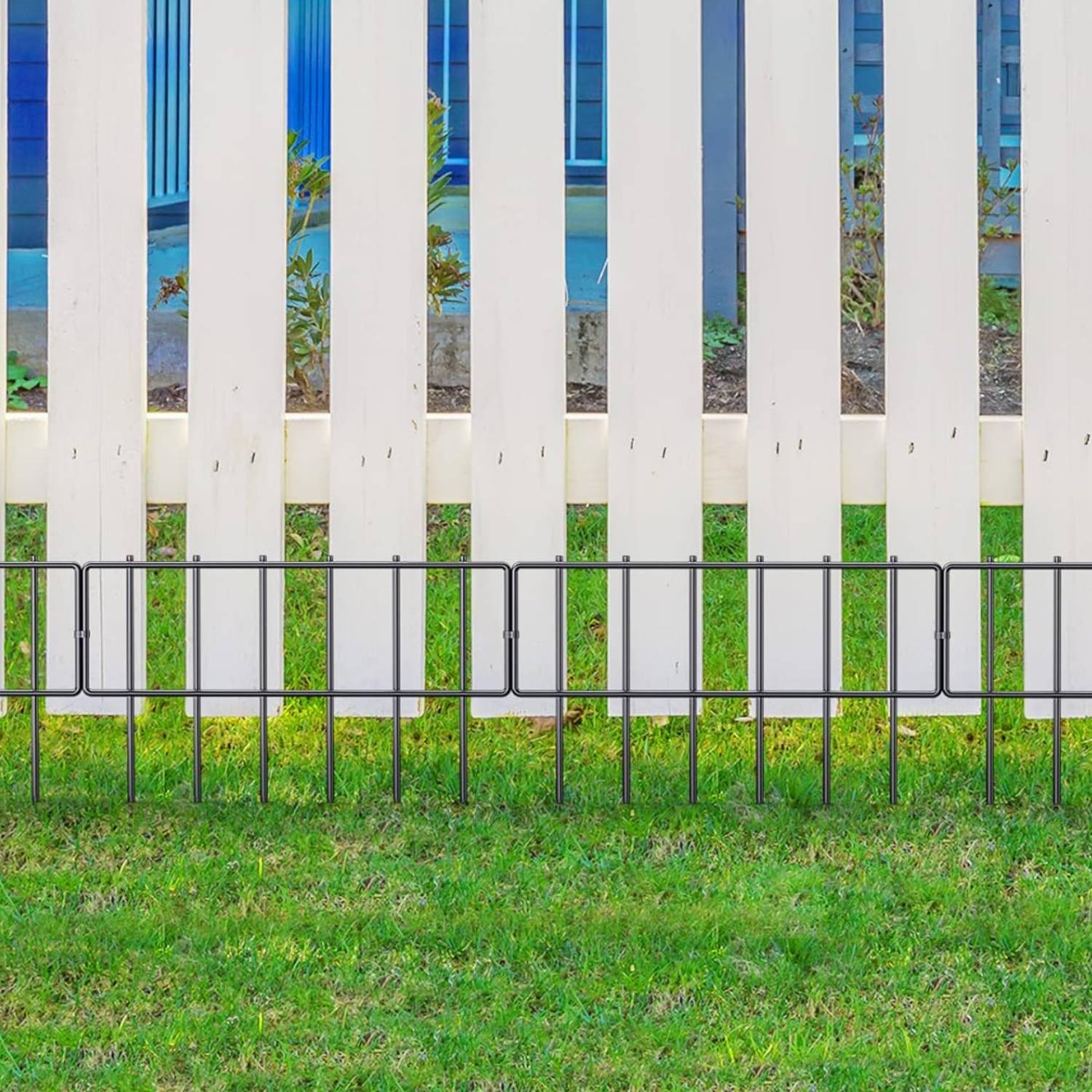
Metal Edging: Metal garden borders provide a sleek, modern look and are highly durable. Steel and aluminum options are resistant to rust and can be used for both straight and curved lines.
Plastic Edging: Plastic lawn edging is lightweight, flexible, and affordable. It’s easy to install and comes in various colors, allowing you to match it to your garden design.
Stone and Brick Edging: Stone or brick garden borders add a timeless, natural appeal to any garden. They’re sturdy, long-lasting, and blend seamlessly into traditional or rustic landscapes.
Wood Edging: Wood garden border edging adds warmth and charm, perfect for cottage-style gardens. It requires some maintenance to prevent rotting, but it’s ideal for a natural look.
Rubber Edging: Made from recycled materials, rubber lawn edging is an eco-friendly option that’s flexible and safe for gardens frequented by children and pets.
How to Install Garden Border Edging
Installing garden border edging is a straightforward DIY project that can be completed with basic tools. Here’s a step-by-step guide to help you add lawn edging to your landscape:
Plan Your Design: Begin by marking where you want to install the garden borders. Use a garden hose or string as a guide for straight or curved lines.
Clear the Area: Remove any grass, rocks, or debris from the installation area to create a flat surface for the edging.
Dig a Trench: Use a spade or edging tool to dig a shallow trench along the marked line. The trench should be deep enough to hold the garden border edging securely, typically 2-3 inches.
Position the Edging: Place the lawn edging in the trench, ensuring it aligns with your guide. For curved designs, gently bend flexible edging to match the desired shape.
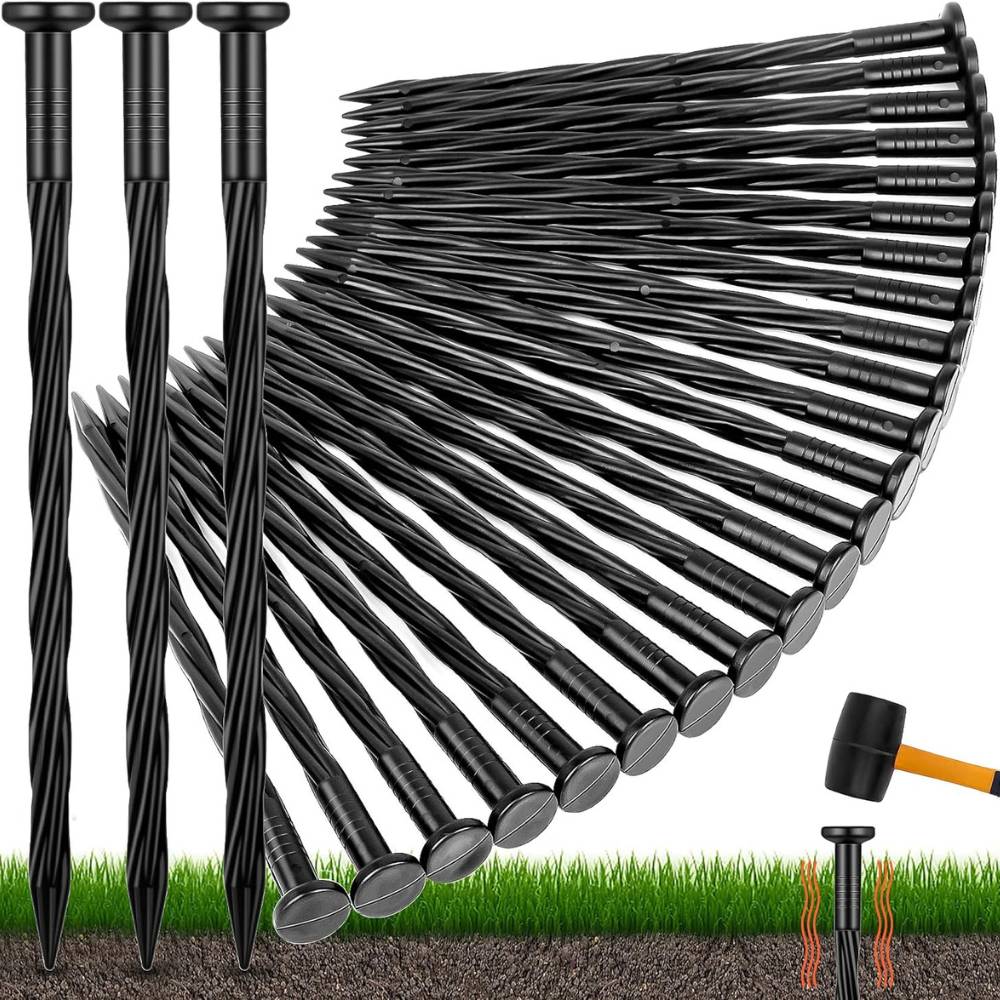
Secure the Edging: Use stakes or pins to anchor the garden borders in place. Many edging products come with stakes, or you can purchase them separately for added stability.
Backfill the Trench: Once the edging is secure, fill in the trench with soil to cover any exposed stakes and keep the edging in place.
Finish and Adjust: Smooth out the soil around the garden border edging and make any final adjustments to ensure it’s level and aligned.
Choosing the Right Garden Borders for Your Landscape
Selecting the best garden border edging depends on your landscape style, budget, and maintenance preferences. Here are some tips to help you choose the right lawn edging:
Consider the Material: For a modern look, metal or rubber edging is ideal. If you prefer a rustic or natural style, stone, brick, or wood garden borders are perfect.
Select the Right Height: Depending on your garden needs, choose an edging height that will effectively contain soil and mulch without overwhelming the design.
Opt for Flexibility for Curved Designs: If your garden layout includes curved borders, choose flexible lawn edging that can be shaped to follow the design.
Focus on Durability: For long-lasting performance, select garden border edging made from durable materials like metal, stone, or brick.
Choose Low-Maintenance Options: Some materials, such as plastic and rubber, require minimal upkeep, making them perfect for busy gardeners.
Maintaining Your Garden Border Edging
While garden border edging is generally low-maintenance, a few simple practices can help keep it in excellent condition:
Clean Occasionally: Over time, dirt and debris may accumulate on your lawn edging. Use a damp cloth or hose to clean the edging periodically to maintain its appearance.
Check for Stability: Inspect the stakes or pins securing your garden borders regularly. Re-secure any loose areas to keep the borders stable and aligned.
Avoid Harsh Chemicals: Some edging materials, such as metal or wood, may be sensitive to harsh chemicals. Stick to mild soap and water for cleaning.
Replace Damaged Sections: If any part of the garden border edging becomes damaged, consider replacing that section to maintain a cohesive look. Many edging types are modular, making it easy to swap out sections.
Where to Use Lawn Edging in Your Garden
Lawn edging is highly versatile and can be used throughout your landscape to create a well-organized, cohesive look. Here are some ideas for incorporating garden border edging in your garden:
Separating Lawns from Flower Beds: Use garden borders to create a clean division between grass and flower beds, keeping mulch and soil contained while enhancing the garden’s structure.
Outlining Walkways: Define walkways with lawn edging to keep gravel, mulch, or stones neatly in place and prevent them from spilling into grassy areas.
Framing Trees and Shrubs: Create a circular border around trees and shrubs with garden border edging to prevent grass from growing too close and highlight these focal points.
Enhancing Patios or Outdoor Seating Areas: Use garden borders to frame patios and outdoor seating spaces, adding a polished look to your landscape design.
Creating Unique Garden Shapes: For flower beds and vegetable gardens, lawn edging can help you create custom shapes, making your garden both functional and visually appealing.
Conclusion: Elevate Your Landscape with Garden Border Edging
Garden border edging is an excellent way to add structure, beauty, and functionality to your outdoor space. From defining lawn areas to framing pathways, lawn edging helps keep your landscape organized and easy to maintain. Ready to transform your garden? Explore our selection of garden borders and enjoy a beautifully defined, low-maintenance landscape that enhances the natural beauty of your outdoor area.